
The conversation around Artificial Intelligence in software engineering has shifted away from speculative hype and firmly into production-ready deployment. For high-growth startups and enterprise engineering teams, AI is no longer a novelty tool for writing simple code snippets—it is a core infrastructural component used to optimize development velocity, protect code integrity, and automate operational overhead.
When integrated into a structured engineering framework, AI bridges the gap between complex software design and rapid execution.
1. Automated Code Refactoring and Legacy Migration

One of the most expensive bottlenecks in enterprise engineering is managing technical debt and executing platform migrations (such as moving from monolithic architectures to decoupled, unified frameworks).
AI models trained on structural code analysis can automatically ingest legacy source code, map complex dependency graphs, and rewrite code to modern standards. Whether converting older syntax to a high-performance framework or systematically breaking a monolith down into lightweight backend services, AI accelerates refactoring while maintaining exact logical parity.
2. Intelligent Code Completion and Contextual Pair Programming

Modern AI development assistants have evolved far beyond basic autocomplete tools. By analyzing an entire local codebase, architectural style, and internal API structures, these tools act as real-time, context-aware engineering partners.
They generate boilerplate configurations, suggest optimized algorithms, and autocomplete complex patterns based on your specific engineering standards. This dramatically reduces the cognitive load on systems architects, allowing them to focus on high-level system architecture rather than repetitive coding syntax.
3. Predictive Bug Detection and Static Code Analysis

Catching a security vulnerability or a memory leak in production is exponentially more costly than fixing it during development. AI-powered static analysis tools evaluate code changes before they ever reach a pull request, predicting where edge-case failures are likely to occur.
Unlike traditional static analyzers that rely on rigid regex rules, machine learning models analyze the semantic intent of code. They flag concurrent race conditions, insecure API integrations, and database connection leaks by comparing code variations against millions of known security vulnerabilities and architectural design flaws.
4. Advanced Test Case Generation and QA Automation

Writing comprehensive unit, integration, and end-to-end tests is critical for predictable project execution, yet it remains one of the most time-consuming tasks for development teams.
AI completely automates this pipeline by analyzing application endpoints, data schemas, and user flows to instantly generate complete testing suites. When a code modification alters an API response, the AI automatically refactors the corresponding test files to match the new schema, eliminating broken test suites and ensuring robust continuous integration (CI/CD) pipelines.
5. Automated CI/CD Log Optimization and Root-Cause Analysis
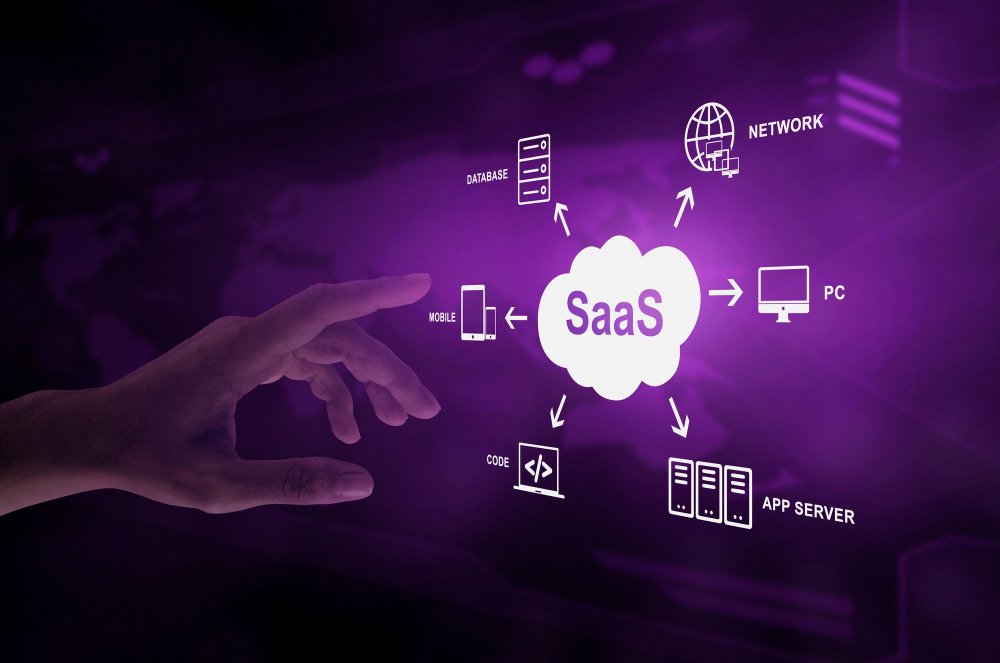
When a production deployment fails or a server cluster experiences a traffic bottleneck, engineering teams are often forced to sift through gigabytes of fragmented logs across distributed networks.
AI-driven observability tools analyze massive streams of telemetry data in real time. The moment an anomaly occurs, the AI correlates server resource spikes, error traces, and database slow-queries to isolate the exact root cause of the failure. It doesn’t just alert you that a system is down; it identifies the specific commit, microservice, or database lock causing the infrastructure bottleneck.
